
Embodied Interaction
Aalto University, Lecturer: Matti Niinimäki
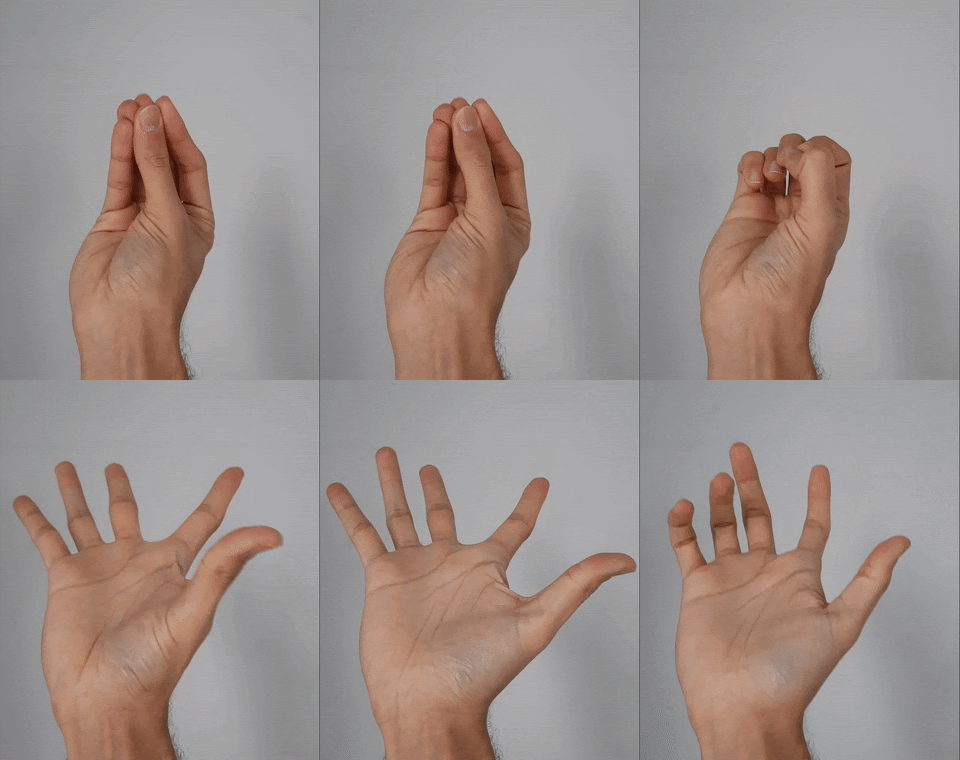
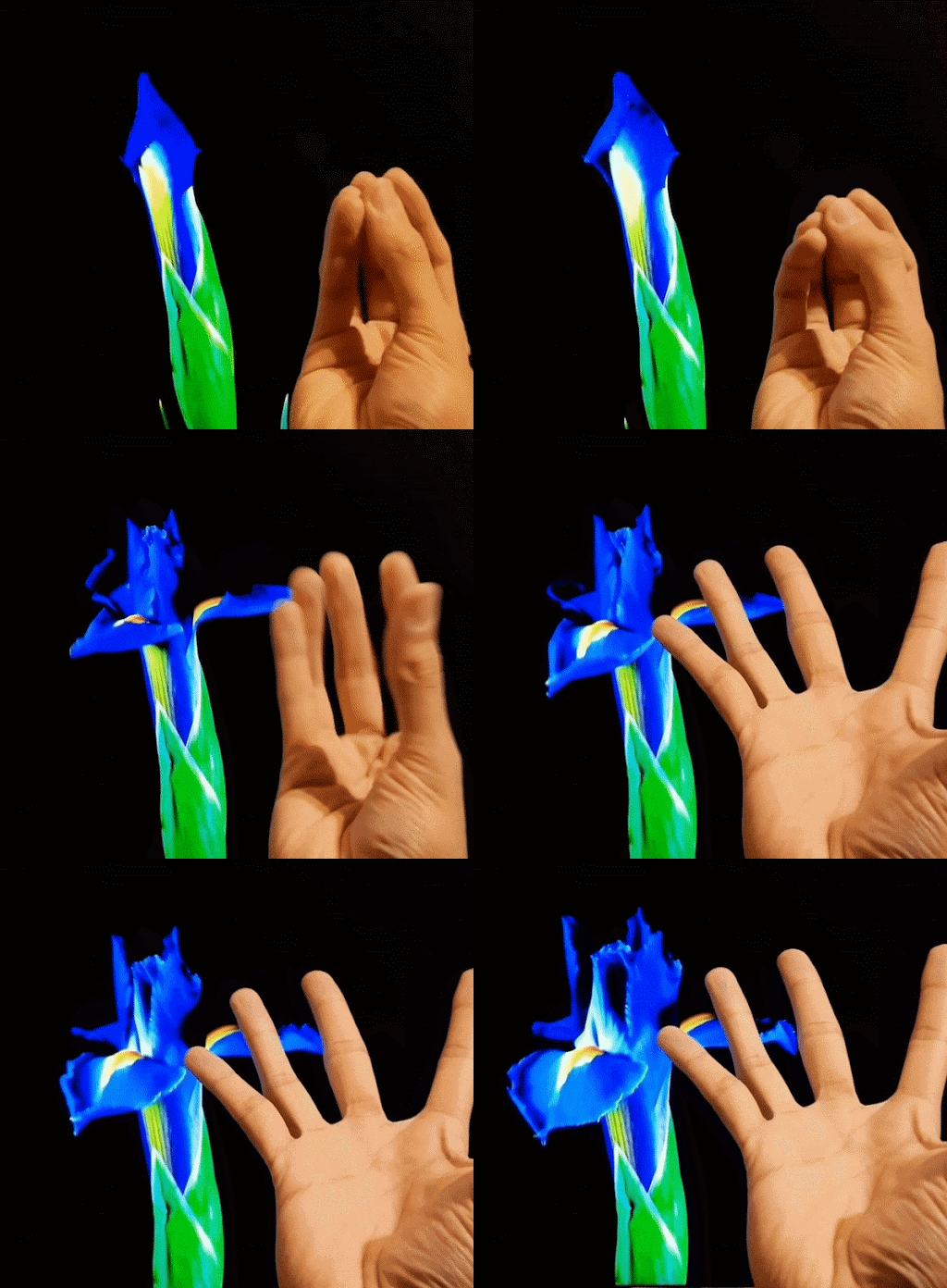
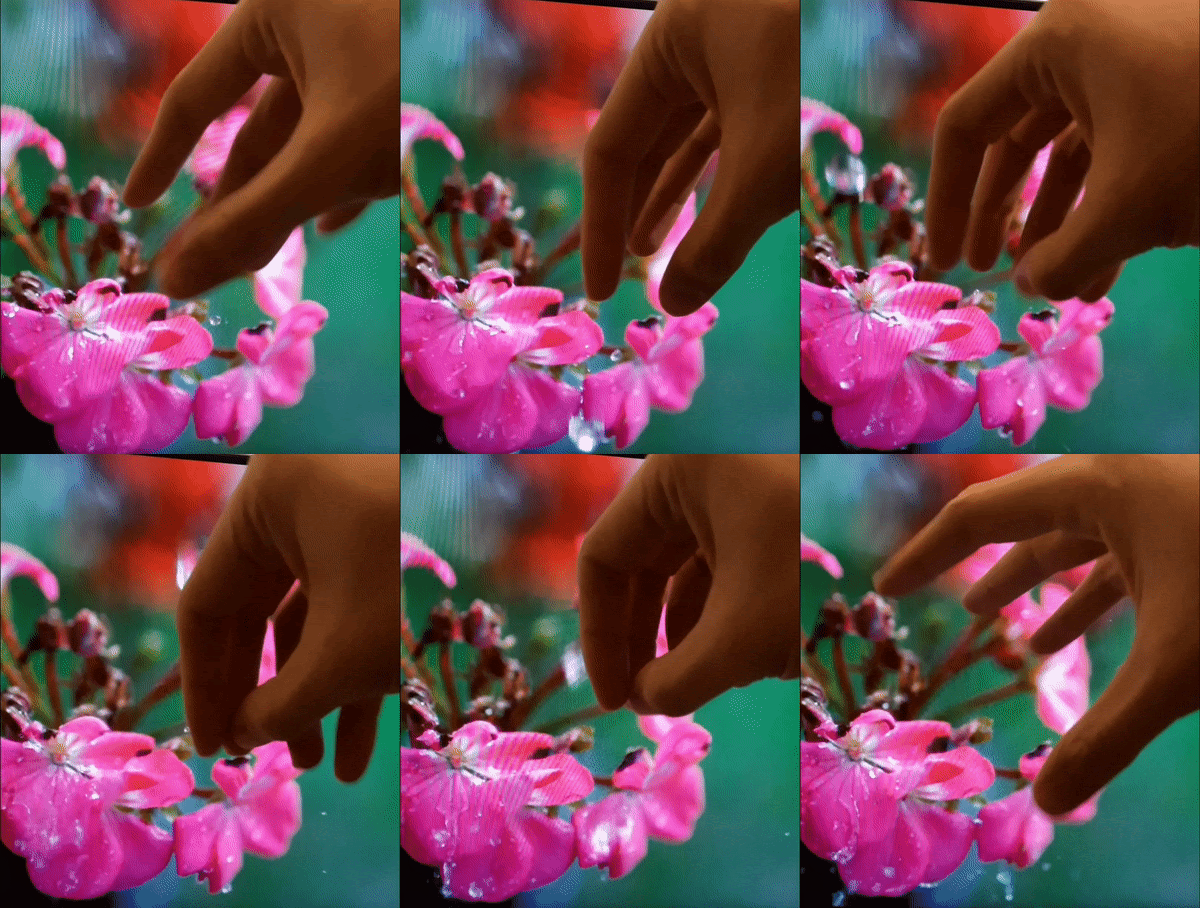
Hand Gesture Assignment

Final Project Idea
Spectrum Mirror
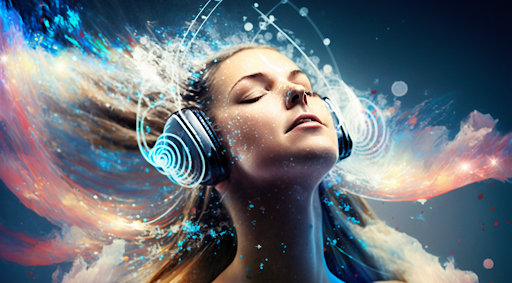
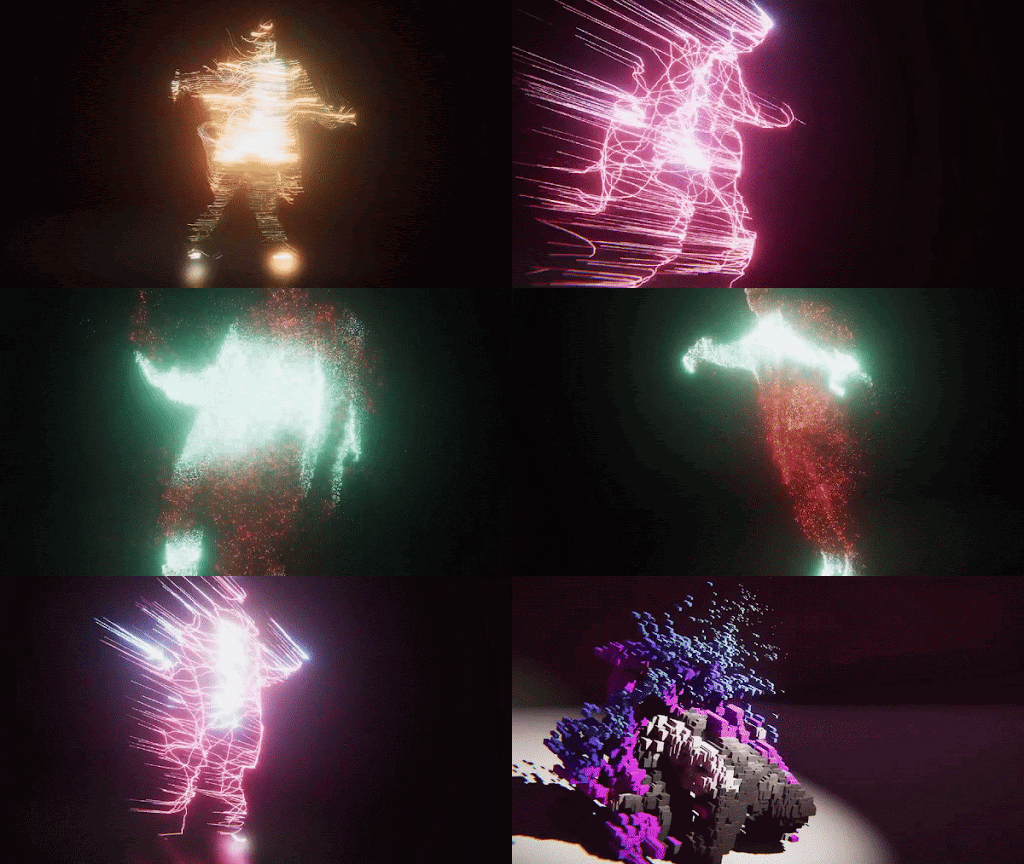 From Keijiro Takahashi
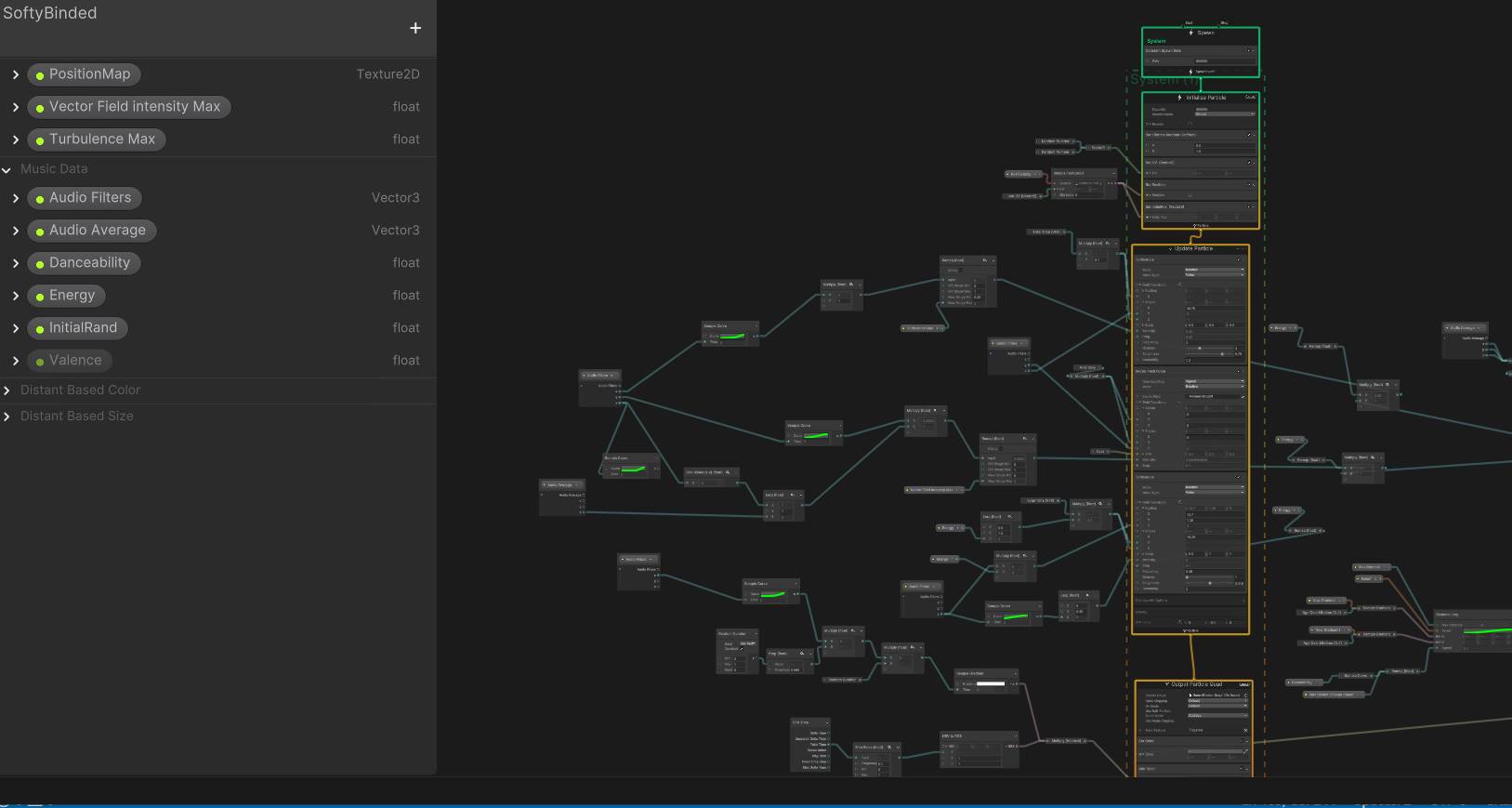
For the first demo, I'll put most of my time into creating appealing visuals and also binding music frequency to them in a valid manner. But this idea can go further, both in terms of visual and audio analysis.
Tools
Also, to use Azure Kinect data in Unity, I used a free Unity package from here.
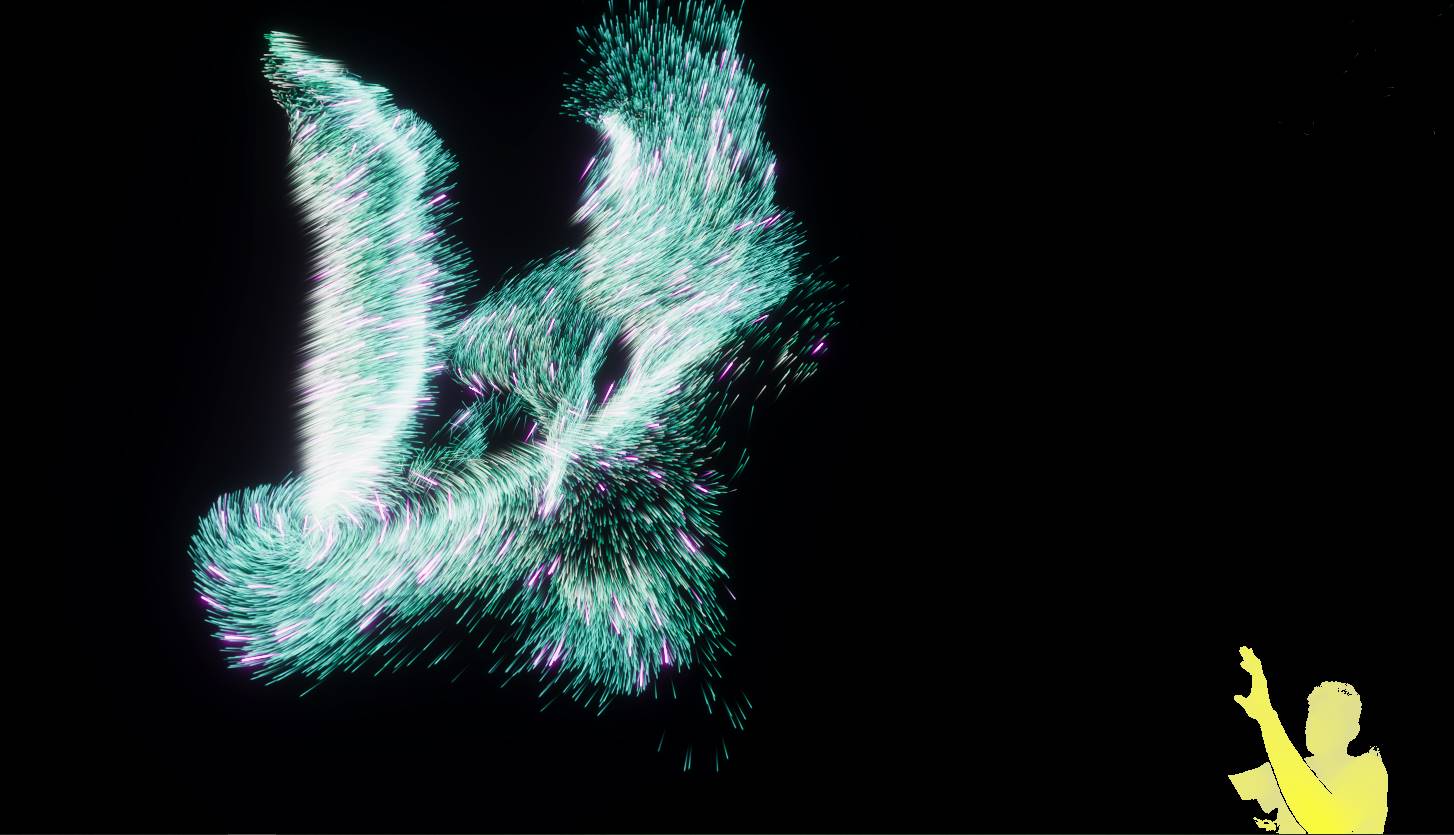
Music Features
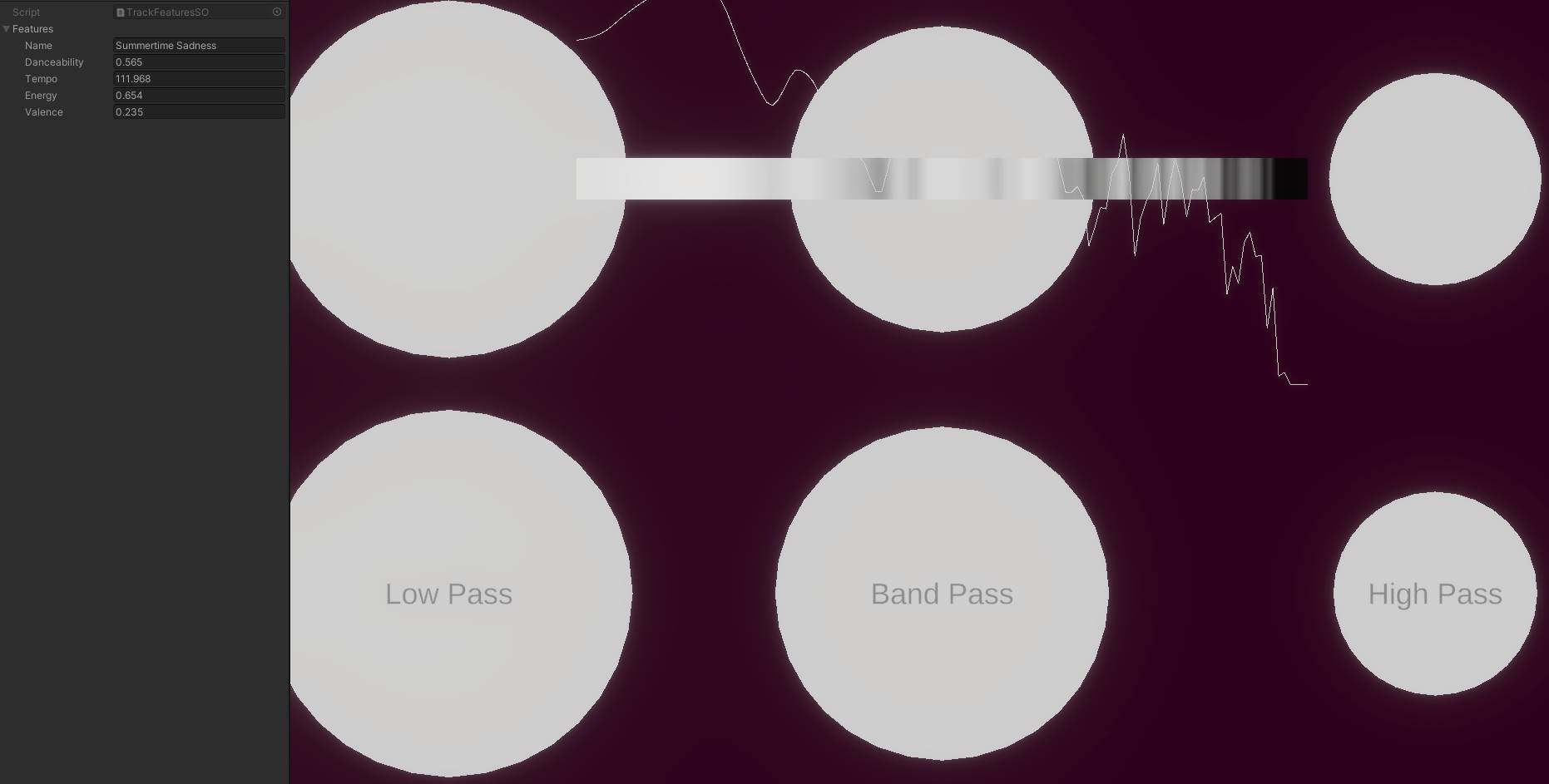
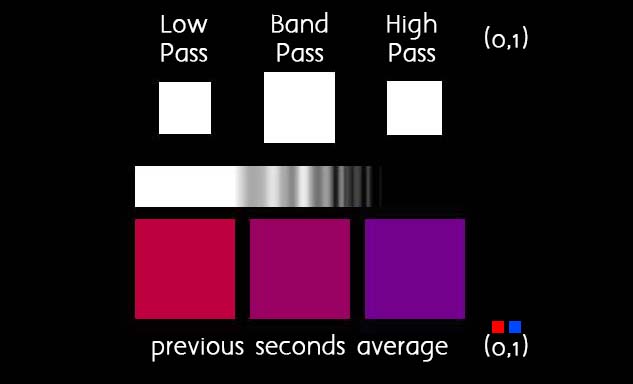
To get audio spectrum data, I use the Keijiro LASP repository, which provides the FFT (Fast Fourier Transform). I have access to Low Pass, Band Pass, High Pass, and spectrum data. In addition, I use some custom scripts to smooth those values based on my needs.
Also, I managed to use Spotify4Unity, which uses SpotifyAPI-NET, to get some attributes of the playing music on the fly. Now, whenever a new track plays, I have access to its Tempo, Energy, Valence, and Danceability (range 0 to 1).
Final Showcase
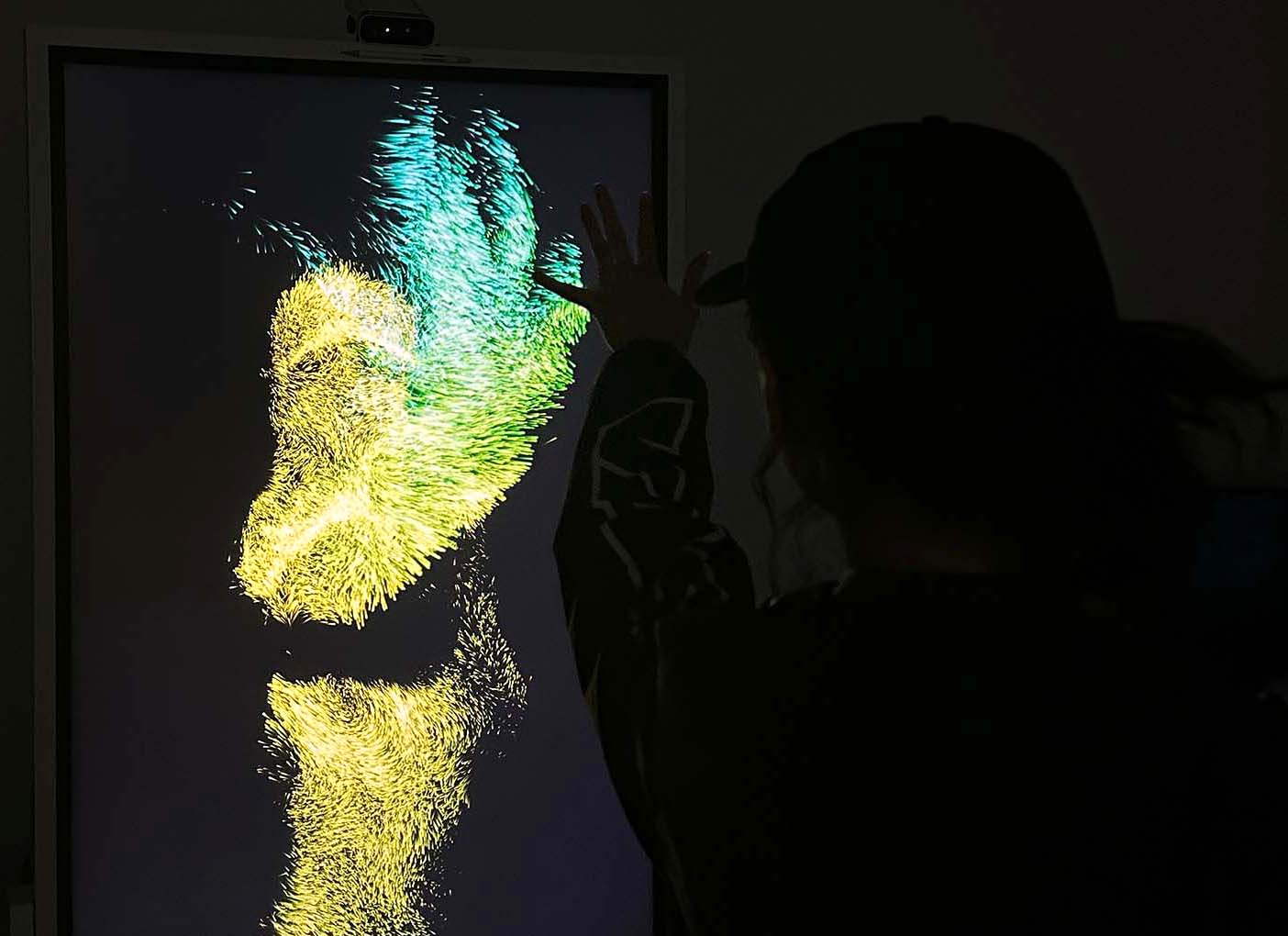
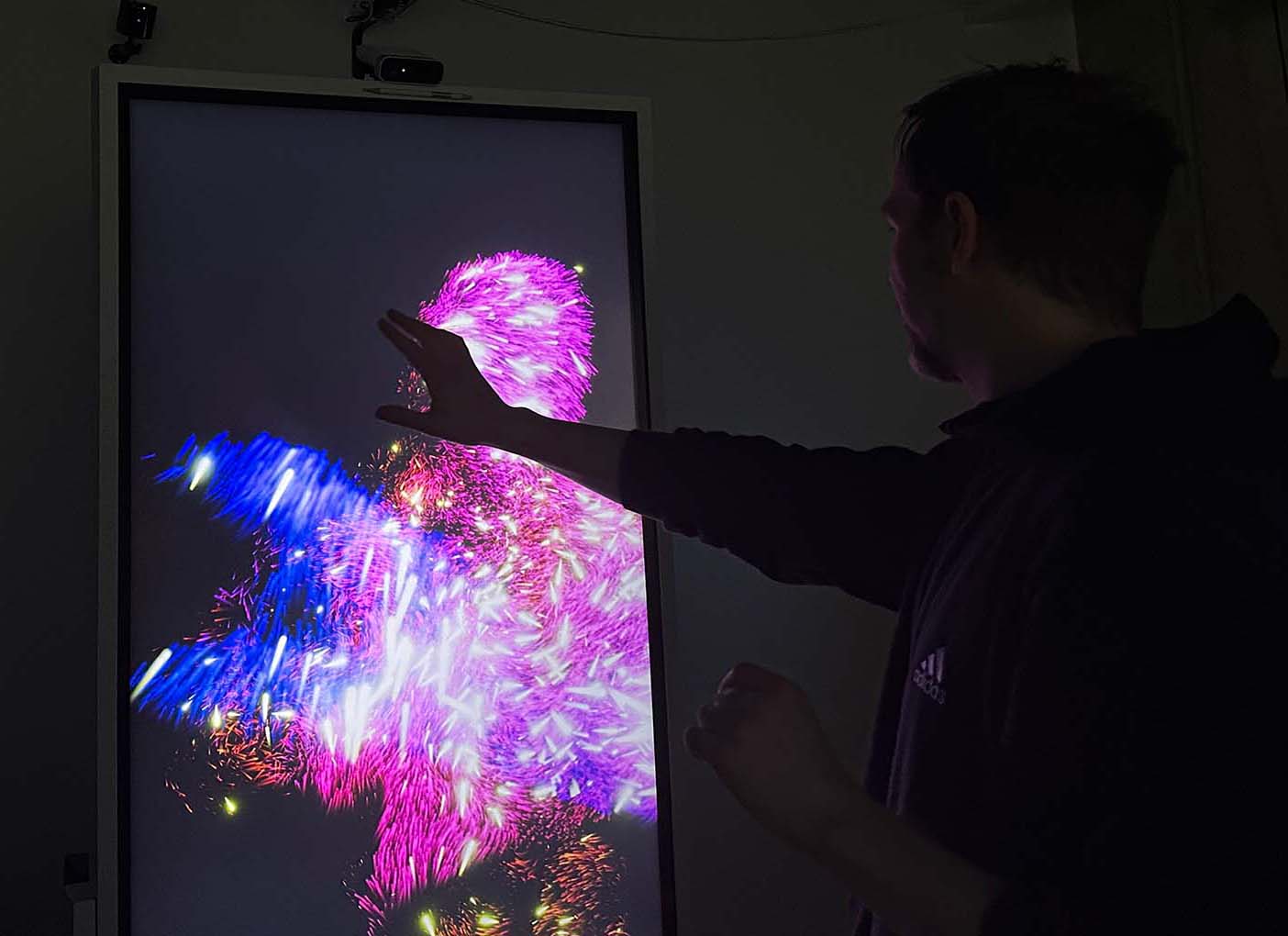
My main goal for this project was to connect technology to art in a novel way and also learn new tools and techniques. I had wanted to contribute to some sort of digital art project for a while, and this course was a great start. During the class, I got familiar with TouchDesigner and started to learn VFX Graph, which I had been looking to learn for a while. Also, grasping different sensors and overall possibilities in this area was very informative.
The current version of the project works as a digital mirror where users stand in front of it and observe the visuals based on the desired music. Also, as I only use depth detection, there is no limit on the number of users, and it detects the whole body, including users' clothes, hair, bags, etc., but in an abstract way. Fortunately, most of the users were happy with the audio visualization side of the project. Currently, it works well with kinds of music that have many ups and downs, but in general, it works well enough. In addition, in some playtesting, users were so involved in playing with the visuals and moving around that audio responsiveness was not their first concern.
I also had an idea of incorporating body (hand) detection into this system and showing players another level of immersion by detecting hand collision with particles or playing some specific momentary effects based on hands (clapping, etc.). Unfortunately, I faced a huge library conflict with my current depth package and couldn't resolve it in time, but I think it's something doable in the future.
This idea can be used and expanded in different directions, from having this mirror concept in digital art museums to implementing it in some dance and live shows with even more cameras and visuals. For now, I'll start searching and applying for support and grants to extend this project. I believe this mirror idea fits great with the depth detection system, and I would love to work with some technical composers and maybe art directors for the final polish.